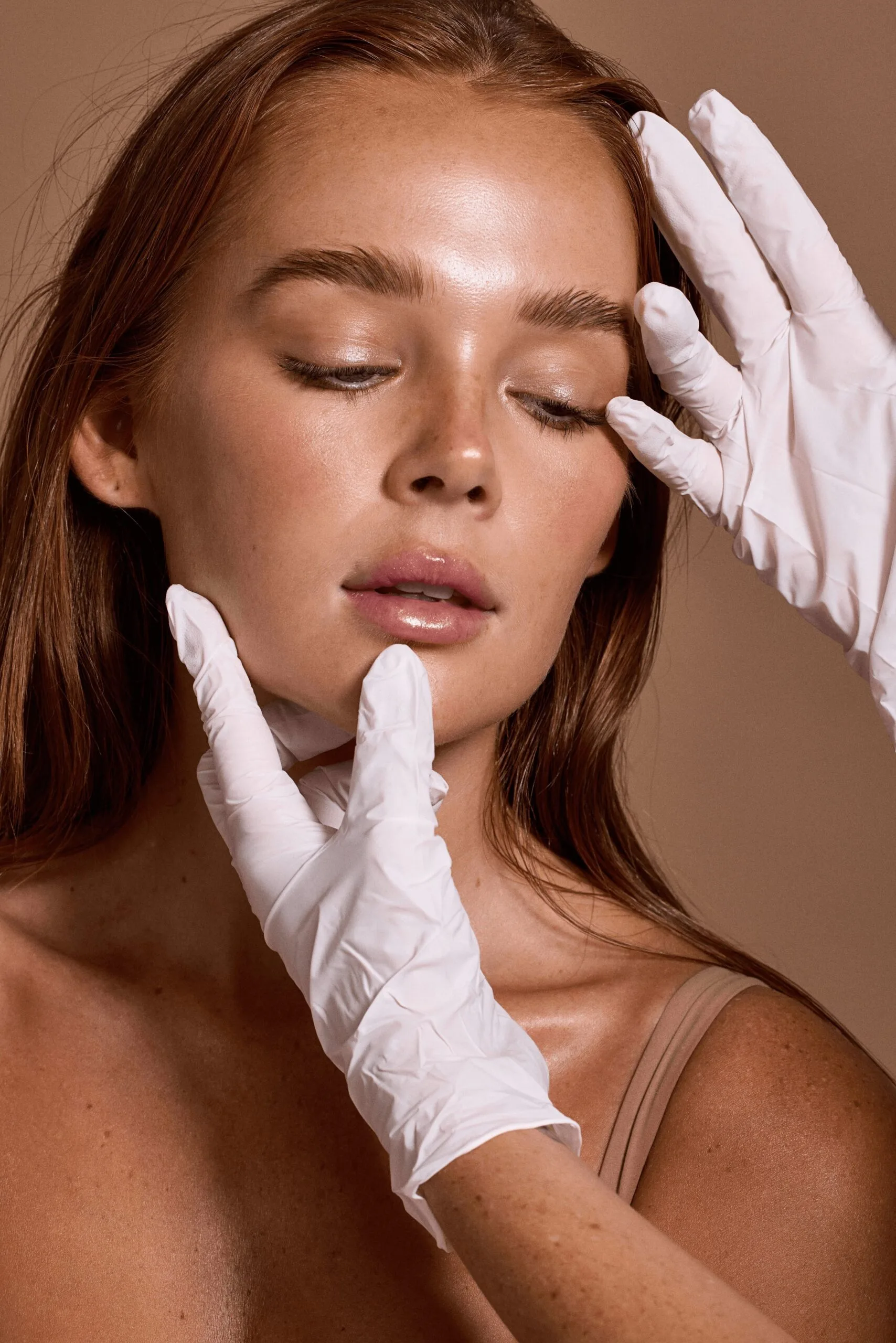
Combining medical-grade LED technology with a professional facial, this treatment is designed to support healthy skin function while addressing concerns such as acne, inflammation, redness, dehydration and impaired skin barrier function.
Your treatment begins with a comprehensive skin consultation and assessment, allowing your clinician to understand your skin, identify your primary concerns and tailor the treatment to what your skin needs on the day.
How It Works
Every treatment begins with a thorough assessment of your skin, taking into consideration your skin type, current condition, concerns and treatment goals. This allows your clinician to personalise each step of your facial and select the most appropriate LED wavelength and professional skincare for your skin.
Your skin is thoroughly cleansed using professional iS Clinical products to remove makeup, sunscreen, oil, environmental impurities and surface debris. The double cleanse ensures the skin is clean and prepared for the active treatment steps that follow.
A gentle exfoliation is then performed to remove accumulated dead skin cells from the skin's surface. This helps smooth and refine the skin, improve the appearance of dullness and uneven texture, and support a more even skin surface.
Removing excess surface build-up also allows professional skincare to be applied more evenly and effectively. The exfoliation is carefully selected and adjusted according to your skin type and current condition, refreshing the skin without unnecessarily compromising the skin barrier.
Your personalised LED treatment is then performed using the MediLUX medical-grade LED system. Specific wavelengths of light are selected according to your skin concerns and treatment goals.
LED light works at a cellular level, where different wavelengths can influence biological processes within the skin. Blue light can help target acne-causing bacteria and support clearer-looking skin, while red and near-infrared light can help calm inflammation, reduce redness, help with oil regulation, support skin repair and healing, and promote overall skin rejuvenation.
LED therapy is completely non-invasive and painless, with no downtime, making it suitable for all skin types and an excellent treatment for supporting skin health.
Following LED therapy, a treatment masque is applied to replenish, soothe and hydrate the skin. This luxurious cooling gel masque is formulated with powerful botanical antioxidants and botanically sourced hyaluronic acid to help restore hydration and radiance.
Designed to support the skin, the lightweight formula delivers an instant cooling sensation while helping the skin appear refreshed, luminous and revitalised.
Your treatment is completed with carefully selected cosmeceutical finishing products chosen according to your skin's needs. Your clinician will provide personalised post-treatment skincare recommendations to help protect the skin, support its recovery and maintain your results at home.
Treatment Includes
- Comprehensive skin consultation and assessment
- Double cleanse using iS Clinical products
- Gentle, skin-specific exfoliation
- Personalised MediLUX medical-grade LED therapy
- Intensive treatment mask
- Relaxing facial massage
- Tailored cosmeceutical finishing products
- Personalised post-treatment skincare recommendations
Suitable For
Suitable for all skin types, including skin experiencing acne, redness, inflammation, dehydration, sensitivity, impaired barrier function or post-procedure recovery. It is also an ideal treatment for maintaining healthy, balanced and radiant skin.
Why LED Therapy?
LED light therapy is a scientifically supported, non-invasive treatment that uses specific wavelengths of light to interact with the skin at a cellular level. It can be used as a standalone treatment or incorporated into a broader skin treatment plan to support skin health, recovery and overall skin quality.
With no downtime, LED Therapy is an ideal option when you want a clinically focused treatment that is both restorative and results-driven.
The result: skin that feels cleaner, calmer, hydrated and revitalised, with a treatment approach designed to support your skin's health both in clinic and at home.
Frequently Asked Questions
Can LED Therapy be combined with other aesthetic treatments?
Yes. LED Therapy is restorative by nature and is an excellent addition to many skincare and technology-based treatments. It can be incorporated alongside treatments such as chemical peels, skin needling, laser procedures and advanced facials to support skin recovery, calm inflammation and optimise overall treatment outcomes.
Your clinician will advise when LED Therapy is best incorporated into your personalised treatment plan based on your skin goals and treatment journey.
Are LED treatments suitable for my skin?
LED Therapy is comfortable, non-invasive and suitable for all skin types. During your consultation and skin assessment, your clinician will evaluate your skin concerns and select the most appropriate treatment approach and LED wavelengths to support your individual needs.
What should I expect after my LED Therapy Facial? Is there any downtime?
LED Therapy requires no downtime, allowing you to return to your normal activities immediately following treatment.
Some patients may experience mild warmth or temporary redness after the treatment, which typically settles quickly. Your skin may feel refreshed, hydrated and revitalised immediately following your session.
LED Therapy works by supporting healthy skin function, meaning results are progressive and cumulative. Improvements in skin clarity, tone, texture and overall skin health are often best achieved through a consistent treatment plan.
Can I wear makeup or apply skincare after LED Therapy?
Yes. There is no recovery period required following LED Therapy, and skincare or makeup can be applied after your treatment if desired. Your clinician will recommend the most suitable products to support your skin following treatment.
Can I use an at-home LED device instead?
While at-home LED devices are available, medical-grade LED systems are designed to deliver clinically targeted wavelengths and higher treatment performance. In-clinic LED treatments allow your clinician to customise your session based on your skin concerns and provide a professional treatment environment.
How often should I have LED Therapy?
The recommended frequency will depend on your skin concerns and treatment goals. For targeted concerns, a course of regular treatments may be recommended, with many treatment plans incorporating 1 to 2 sessions per week initially before transitioning to a maintenance schedule.
Your clinician will develop a personalised recommendation during your consultation.
How long does an LED Therapy Facial take?
The LED Therapy Facial is approximately 45 minutes, allowing time for your skin consultation, double cleanse, exfoliation, personalised LED treatment, mask, facial massage and tailored finishing skincare.
When will I see results from LED Therapy?
Some patients notice their skin feels calmer and more refreshed after their first treatment. However, LED Therapy works by supporting natural skin processes, so visible improvements in concerns such as redness, inflammation, acne and overall skin quality are generally achieved progressively with consistent treatments.
Book a complimentary skin consultation
If you are not sure whether LED is right for you, or where it should sit in your plan, book a consultation and we will assess your skin properly and tell you honestly.
There is no cost and no obligation.
Book your initial consultation and LED
Book your LED Facial
Or call or text us on 0478 844 048
Plump Aesthetic Clinic
525 Chapel Street, South Yarra
www.plumpaestheticclinic.com