Pregnancy is the point at which most women become genuinely careful about what goes on their skin, and also the point at which the available information is at its worst.
You will find lists telling you to abandon everything, lists telling you almost nothing matters, and remarkably little explaining why any of it is the case. Meanwhile your skin is doing things it has never done, usually all at once.
This page is our attempt to give you the reasoning rather than the rules, because in our experience women make better decisions when they understand what the concern actually is.
Everything here is general information. Your obstetrician, midwife or GP knows your pregnancy and we do not, and anything we suggest should sit comfortably alongside their advice rather than against it.
What actually changes, and why
Pregnancy raises oestrogen, progesterone and melanocyte-stimulating hormone substantially, and increases blood volume by around forty percent. Skin responds to all of it.
Pigmentation. The most common change by a distance. Melasma appears across the cheeks, forehead and upper lip in a significant proportion of pregnancies, which is why it was historically called the mask of pregnancy. Alongside it, a darkened line down the abdomen, darker areolae, and deepening of existing freckles and moles.
Acne. Unpredictable. Some women clear entirely, many flare in the first trimester as progesterone climbs and sebaceous activity climbs with it. It tends to be inflammatory rather than comedonal and concentrated along the jawline and chin.
Dryness, itching and stretching. Skin expands faster than it comfortably can, barrier function shifts, and mild generalised itch is common.
Vascular changes. Spider naevi, palmar redness and visible vessels are common and largely driven by the increase in blood volume and oestrogen. Many resolve after delivery.
Sensitivity. Skin frequently becomes more reactive, and products tolerated for years can start to sting.
Hair. More hair stays in its growth phase during pregnancy, which is why hair often looks thicker. That reverses afterwards, and we cover it below.
Skin tags. Common, benign, often around the neck and underarms.
Why you have been told to avoid things, which nobody explains
This is the section we think matters most, because the reasoning changes how you weigh the advice.
Here is the principle underneath almost all of it, and it is rarely stated plainly.
Most pregnancy restrictions are not based on evidence of harm. They are based on the absence of evidence, combined with a very lopsided risk calculation.
Pregnant women are systematically excluded from clinical trials, for understandable ethical reasons. The consequence is that they are sometimes described in the pharmacological literature as therapeutic orphans, with the overwhelming majority of products carrying no adequate information for use in pregnancy. We are almost never working from data showing something is dangerous. We are working from an absence of data.
Now add the asymmetry. On one side, a cosmetic benefit. On the other, the possibility of irreversible harm to a developing baby. When the potential downside is that large and the upside is that small, precaution is the rational position even where the actual risk is probably very low.
That is the honest framing. Not "this will hurt your baby." Rather, "we do not know, we cannot ethically find out, and the benefit does not justify accepting an unquantified risk."
With that established, here is the specific reasoning for each.
Retinoids
The concern. Vitamin A signalling is fundamental to embryonic development. Retinoic acid acts as a morphogen, directing pattern formation in the developing embryo, particularly the head, face and central nervous system. Excess retinoid signalling during critical developmental windows disrupts that process.
The evidence. Oral retinoids are established human teratogens. That is not precautionary, it is proven, and the malformation pattern is well described. This is why prescribing programs for oral acne medication carry strict pregnancy prevention requirements.
Topical retinoids are a different matter. Systemic absorption from topical use is low, and epidemiological studies have been largely reassuring.
So why still avoid them. Because the mechanism is unambiguous, the potential consequence is catastrophic and permanent, the benefit is entirely cosmetic, and no one is ever going to run the randomised trial that would settle it. There is nothing to gain by being the exception.
Stop before conception if you are planning, and stop as soon as you know if you were not.
Salicylic acid, where the advice is usually wrong
This is the one most commonly overstated, and the nuance is worth having.
The concern. It derives from oral salicylates. High-dose aspirin in late pregnancy raises concerns about premature closure of the ductus arteriosus in the fetus and about bleeding.
The nuance nobody mentions. Low-dose aspirin is actively prescribed in pregnancy, routinely, for preeclampsia prevention. Salicylates are not categorically forbidden. Dose and route are the entire question.
What that means practically. Low-concentration salicylic acid in a cleanser or spot treatment, on a limited area of the face, delivers a negligible systemic dose. What warrants caution is high concentration over large surface areas, which in practice means a strong salicylic peel rather than your face wash.
Discuss it with your care provider, but do not throw out a cleanser on the assumption that it is equivalent to taking aspirin.
Chemical sunscreen filters
The concern. Studies have shown that several organic sunscreen filters, oxybenzone in particular, are absorbed systemically to a measurable degree, reaching plasma levels that regulators considered sufficient to warrant further study. Some have shown endocrine activity in animal work at high doses.
The evidence. No demonstrated harm in humans.
So why switch. Because mineral filters, zinc oxide and titanium dioxide, sit on the surface and are not meaningfully absorbed, and they work perfectly well. When there is an equivalent option with no open questions attached, take it. This is not a warning about chemical sunscreens. It is a free upgrade.
Skipping sunscreen entirely is by far the worse choice, particularly given how strongly pregnancy predisposes to melasma.
Essential oils and botanical extracts
The concern. Enormous variability between products, limited regulation of concentration, very little pharmacokinetic data, and a handful with traditional uses that suggest physiological activity.
So why avoid. Not because they are dangerous, but because they are unpredictable and entirely unnecessary. They also happen to be among the most common triggers we identify in reactive skin, which pregnancy tends to produce anyway.
IPL, laser and injectables
The concern for light-based treatment is not that it reaches the baby. Light does not travel to the uterus, and there is no plausible mechanism for direct fetal effect.
The actual reasons we do not perform it. Pregnant skin is considerably more pigment-reactive, because melanocyte activity is elevated. That means a meaningfully higher risk of post-inflammatory pigmentation from a treatment that is entirely elective. Melasma can be provoked. And there is no clinical urgency whatsoever, because the same treatment will work just as well in eight months.
Injectables are contraindicated. There is no safety data, the indication is cosmetic, and that is the end of the conversation.
Skin needling, and the part that is actually the issue
The needling itself is a mechanical procedure with no systemic effect. The genuine considerations are infection risk, the vasovagal response, and comfortable positioning.
The main issue is usually the anaesthetic. Needling is typically performed under topical anaesthetic, and those preparations are not something we want applied over a large surface area in pregnancy. That is the specific reason, and it is almost never the one given.
The second is what goes in alongside it. Micro-channels temporarily bypass the barrier that limits absorption, which is precisely why an infusion works. It also means the actives used need considering on their own terms rather than borrowing a topical safety profile.
Both of those are addressable, which is why we are able to offer an adapted version. See the treatment section below.
What is genuinely available, and it is more than you think
The list of things you cannot do gets all the attention. The list of things you can is longer than most women realise.
Always check with your obstetrician, midwife or GP first. They know your pregnancy. What follows is what is generally considered appropriate, not a substitute for their advice.
Topically
iS Clinical products have been clinically researched to ensure that the ingredients do not have any effect systemically, in the blood, nowhere else aside from in the skin. This brand has done the leg work to save our minds, and skin during pregnancy hallelujah! So if any of these products are in your bathroom, they are good to keep your skin glowing while you grow your baby. If you have any specific concerns, always reach out to us directly and we can assess and discuss this with you in clinic.
Azelaic acid. The most useful active available to us in pregnancy by some distance. It has a long and well-established record of use, it is classified in the more reassuring end of the Australian pregnancy categories, and it works genuinely well on both inflammatory acne and pigmentation, which happen to be the two most common pregnancy skin concerns. If we prescribe you one active, this is usually it.
Niacinamide. Well tolerated, supports the barrier, helps regulate oil, calms inflammation and interrupts pigment transfer. Useful across almost every pregnancy presentation.
Vitamin C. Antioxidant protection plus a genuine cofactor role in collagen synthesis. Useful for the pigment side.
Hyaluronic acid, glycerin and barrier-support ingredients. No concerns, and pregnancy skin usually needs them.
Benzoyl peroxide. Long safety record, minimal systemic absorption with studies suggesting only a small percentage is absorbed as metabolites, and useful for inflammatory acne.
Mineral sunscreen. Not merely permitted but genuinely important, because pregnancy is the single most common trigger for melasma and prevention is far easier than correction.
Gentle exfoliating acids at low concentration. Lactic and mandelic acids in appropriate formulations are generally considered acceptable, with limited absorption.
We prescribe from iS Clinical and Dermaceutic, and both ranges contain a number of products that are appropriate in pregnancy. We select them individually on their ingredients rather than by brand, and we will go through exactly what suits you at consultation.
In-clinic treatments
Every treatment below is selected during consultation, not from a menu, and in pregnancy that assessment matters more than usual because what suits you at fourteen weeks may not suit you at thirty-four.
Barrier Repair Facial
Our dedicated treatment for compromised, sensitised and reactive skin, and a different treatment to our LED facial rather than a version of it.
No acids, no exfoliation, nothing that asks anything of the skin. It is focused entirely on soothing and replenishing, and on supporting a stronger, more comfortable barrier over time.
Pregnancy skin is stretching, drying and frequently more reactive than it has ever been, which makes this one of the most appropriate things we offer at this stage. For many women it is where treatment begins and where it happily stays.
LED facial
Light therapy at specific wavelengths, delivered in a comfortable, non-contact session with no downtime.
Red and near-infrared light reduce inflammation and support the skin's own repair processes. There are no actives involved, nothing is absorbed, and there is essentially no capacity to provoke a reaction.
It is genuinely useful for pregnancy acne, which is one of the harder things to treat at this stage given how much comes off the table. Suitable throughout pregnancy and while breastfeeding.
Acne Treatment, Level One
For a lot of women, pregnancy is the first time they have dealt with breakouts at all. Progesterone climbs through the first trimester, oil production climbs with it, and congestion and inflammation tend to follow, usually along the jawline and chin. It is hormonal, it is common, and it is not something you did wrong.
Our Acne Treatment is a staged in-clinic program built to calm active breakouts rather than aggravate them. Level One is our go-to during pregnancy, and a modified Level Two may also be appropriate depending on your skin and how far along you are. That is assessed with your dermal clinician in clinic.
It matters here because so much of the usual acne toolkit comes off the table in pregnancy. You do not have to sit it out and hope it clears after the birth.
Signature Plump & Glow, Level One and Two
Our signature peel program runs across three levels, and Levels One and Two are our pregnancy and breastfeeding appropriate tiers.
This tier includes our enzyme treatments, which use fruit-derived enzymes rather than acid to gently lift dead surface cells, alongside gentle lactic and mandelic acid formulations at low concentration. Penetration is superficial, systemic exposure is negligible, and there is minimal reactivity and no downtime.
For pregnancy that combination does more than people expect. It addresses the dullness and surface build-up that come with slowed turnover, it helps with congestion, and it supports the clarity that pigment and hormonal acne take away.
Lactic acid deserves a particular mention here, because it is an alpha hydroxy acid that also functions as a humectant, exfoliating while drawing water into skin that is stretching and drying. Mandelic is our preference where pigment is a concern, because its larger molecular size means slower, more even penetration and a lower risk of provoking the inflammation that produces more pigment.
Skin needling
Worth knowing about, because most people assume it is entirely off the table and it need not be.
We adapt it in two ways.
We omit the topical anaesthetic. In standard practice needling is performed under a topical numbing preparation, and applying that across a large surface area is the aspect of the treatment we are least comfortable with in pregnancy. Removing it removes that concern entirely. Most people find the treatment perfectly tolerable without it, particularly at our Tier One depths.
We adapt what goes into the skin. Tier One uses a standard hyaluronic acid glide, which is what we would ordinarily use throughout for comfort and hydration in any case. Hyaluronic acid is a molecule your body already produces in quantity.
Several of the medical boosters we would otherwise reach for are not appropriate in pregnancy, and we will tell you so plainly. PDRN, PLLA and glutathione all come off the list. Others may well be suitable depending on your skin, your concerns and your stage, and that is a conversation to have properly with your dermal clinician at consultation.
What we will always do is talk it through with you in detail, and we would encourage you to raise it with your obstetrician or midwife as well. They know your pregnancy and we would rather work alongside them than around them.
Lymphatic drainage
Light, rhythmic manual work supporting fluid clearance, delivered by Alida with positioning adapted for pregnancy.
Facial and general puffiness is close to universal by the third trimester, and this is one of the few treatments that asks nothing of the skin at all. It is also deeply calming at a stage when sleep is often poor.
What we will not perform during pregnancy
IPL and light-based treatment. Level Three peels. Injectables. Infrared sauna and cold plunge.
We would rather tell you plainly than have you ask and be talked around it. All of these will still be here afterwards.
A practical note on positioning
From around twenty weeks, lying flat on your back for an extended period can compress the vena cava and reduce blood return, which is uncomfortable and best avoided.
We treat in a side-lying or supported semi-reclined position with wedges and bolsters from that point onward. You do not need to ask for this. We will set it up.
Treatment length is also adjusted, because lying still for an hour at thirty-four weeks is a different proposition entirely.
Melasma in pregnancy, and what to do about it
This deserves its own note because it is the most common concern we see and the one where timing matters most.
Prevention is dramatically easier than correction. Melasma that develops in pregnancy may fade afterwards, frequently does not fade completely, and the residual pigment often sits deeper and is harder to treat than what appeared initially. It also tends to recur, more strongly, in subsequent pregnancies.
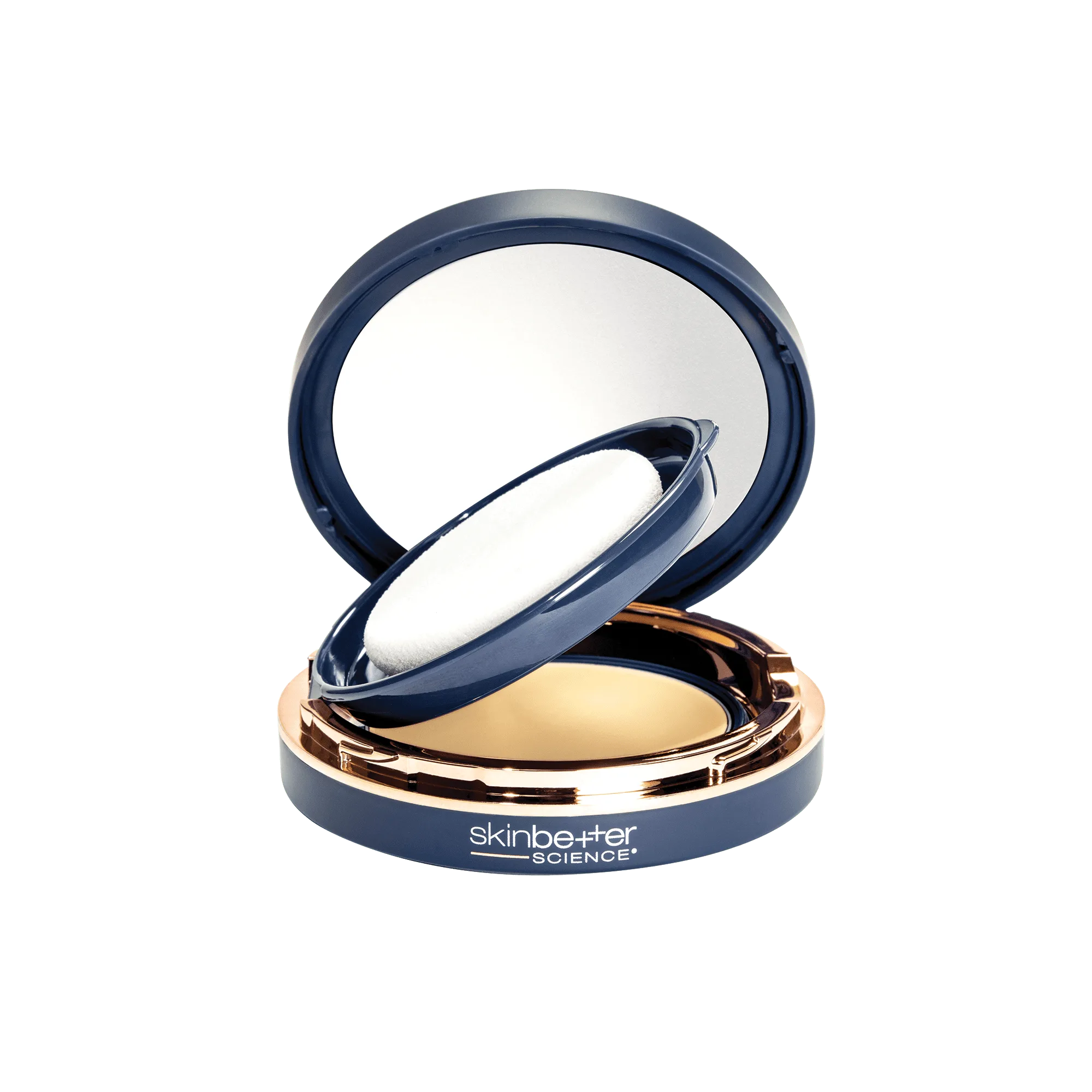
So the plan during pregnancy is a holding plan, not a corrective one. Rigorous sun protection with a tinted mineral sunscreen, because the iron oxides that provide tint also block visible light, which conventional clear sunscreens largely do not, and visible light is a genuine melasma driver.
Attention to heat, which stimulates pigment independently of UV and matters more when you are already running warm.
Azelaic acid, which is both safe and effective here.
Corrective work comes afterwards. We know that is not what anyone wants to hear. Limiting how much pigment forms now is worth considerably more than what we could do about it later.
Breastfeeding
The restrictions loosen but they do not disappear.
Retinoids remain off. The systemic argument is weaker than in pregnancy, but the precautionary logic is the same and the benefit is still cosmetic.
Most topicals are fine, with one practical rule: avoid applying actives to any area your baby's mouth or face will be in contact with, and wash your hands before feeding.
In clinic, more becomes available. Stronger peels can generally be considered. Needling becomes possible depending on the anaesthetic question and your care provider's view. IPL is often reasonable, though we would want to discuss timing.
Where we still advise waiting is the more significant corrective work, particularly for melasma. Hormones are still settling, sleep is broken, cortisol is high and skin does not heal or tolerate the way it will in six months. Starting a serious corrective plan at four months postpartum tends to produce a worse result than starting it at ten.
Postpartum, and the hair thing nobody warns you about
Hair shedding. Somewhere between three and six months after delivery, a great many women experience noticeable hair loss. This is telogen effluvium, and the explanation is reassuring.
During pregnancy, elevated oestrogen keeps more hairs in their growth phase than usual, which is why hair looks thicker. After delivery, those hairs all move into the shedding phase together. What you are losing is the extra hair you kept, released at once rather than gradually.
It is self-limiting, it typically resolves within six to twelve months, and it is not a sign anything is wrong. It is also genuinely distressing when nobody has told you it is coming, which is why we are telling you now.
If shedding is severe, prolonged beyond a year, or accompanied by fatigue or other symptoms, see your GP. Iron deficiency and thyroid dysfunction are both common postpartum and both cause hair loss.
Skin. Pigment may fade or persist. Acne often flares as hormones drop. Barrier function is usually poor, and sleep deprivation shows in the skin faster than almost anything else.
Our advice, and it is unglamorous. Rebuild the barrier, protect from sun, treat active acne so it does not scar, and postpone the corrective work until things have settled. Six months from now your skin will tolerate far more and reward it better.
How we treat this at Plump
We are a medical-dermal clinic. Caitlin is a Registered Nurse with ten years in cosmetic medicine, Belinda is our Senior Dermal Clinician with around ten years of industry experience, and the whole team works to a shared philosophy: assess first, treat conservatively, sequence with intent, and never do more to the skin than it can handle.
For pregnancy that means something specific. We are not trying to correct anything. We are keeping your skin comfortable, limiting what forms now so there is less to treat later, and being honest that the good stuff comes afterwards.
We will also tell you when the answer is your midwife rather than us.
Support beyond the skin
Naturopathic support with Alida
Naturopathic care in pregnancy requires particular care, and Alida works within that.
Nutritional status genuinely affects skin during pregnancy and postpartum, and iron, vitamin D and essential fatty acid intake are all worth attention for reasons well beyond your face. Postpartum, sleep deprivation and its physiological consequences are relevant to almost everything.
Anything she suggests will be checked against your obstetric care and your prescriber, and anything requiring medical management goes to them rather than staying with us. Some supplements are not appropriate in pregnancy or while breastfeeding, and that assessment is individual.
What does it cost
Less than you might expect, because pregnancy is one of the periods where we do least.
Most of what we recommend is a small number of correctly chosen products and occasional gentle in-clinic treatment. We will give you a clear plan at consultation and we will tell you honestly where waiting is the better option, which during pregnancy it frequently is.
Cosmetic and dermal treatments do not attract a Medicare rebate.
Myths we correct every single week
"I have to stop everything."
You do not. Azelaic acid, niacinamide, vitamin C, barrier support and mineral sunscreen are all generally considered appropriate, and that is a functional routine that will do real work.
"If it is natural it is safer in pregnancy."
Essential oils and botanical extracts are among the least regulated, most variable and least studied things you can put on your skin. Natural is a marketing category. It is not a safety assessment.
"I should skip sunscreen because of the chemicals."
Skipping sunscreen in pregnancy, when melasma risk is at its highest, is considerably worse than any theoretical concern about a filter. Switch to mineral rather than going without.
"My melasma will go away after the birth."
Sometimes. Frequently not completely, and what remains is often deeper and harder to treat. This is why prevention now matters more than correction later.
Frequently asked questions
What can I actually use?
Generally considered appropriate: azelaic acid, niacinamide, vitamin C, hyaluronic acid, glycerin, benzoyl peroxide, mineral sunscreen and gentle lactic or mandelic acid formulations. Generally avoided: retinoids, hydroquinone, high-concentration salicylic acid over large areas, and unregulated botanical preparations.
Always confirm with your obstetric care provider.
Can I have skin needling while pregnant?
It is available in an adapted form. We omit the topical anaesthetic, use our Tier One treatment with a standard hyaluronic acid glide, and remove the boosters that are not appropriate in pregnancy, including PDRN, PLLA and glutathione.
Whether it suits you depends on your skin, your stage and your circumstances, and we would want you to raise it with your obstetrician or midwife as well.
Can I have facials while pregnant?
Yes. Enzyme treatments, gentle superficial peels, LED and Barrier Repair Facials are all generally suitable. From around twenty weeks we treat you in a side-lying or supported position.
I used a retinoid before I knew I was pregnant. Should I panic?
No. Topical retinoid absorption is low and the epidemiological data has been broadly reassuring. Stop now, and mention it to your obstetrician or midwife for peace of mind rather than because we expect a problem.
When can I start treating my melasma properly?
After delivery, and generally after breastfeeding for the more significant work. During pregnancy we focus on limiting how much forms, which is genuinely the higher-value intervention.
Is my hair going to fall out?
Possibly, between three and six months postpartum, and it is normal and temporary. See your GP if it is severe, lasts beyond a year, or comes with fatigue or other symptoms.
Reviewed by the clinical team at Plump Aesthetic Clinic
Caitlin King, Registered Nurse, Founder and Clinical Director.
Belinda, Senior Dermal Clinician and Dermal Manager. Bachelor of Dermal Science.
Last reviewed: September 2026
How we use evidence
We treat skin, not trends. Where we make a claim about what a treatment does, we want it to be traceable to something better than marketing.
Pregnancy is the area where that matters most and where the evidence is thinnest, because pregnant women are systematically excluded from clinical trials. Most guidance in this area is precautionary rather than derived from demonstrated harm, and we think you are entitled to know which is which.
Where we have said something is generally considered appropriate, that reflects established clinical practice and the available literature. It does not mean a randomised trial has been conducted, because in almost every case one has not and one will not be.
Key sources informing this page:
- Intrahepatic cholestasis of pregnancy: clinical presentation, diagnosis and management. StatPearls, 2026, and Royal College of Obstetricians and Gynaecologists guidance on obstetric cholestasis.
- Safety of skin care products during pregnancy. InfantRisk Center overview of percutaneous absorption and pregnancy considerations.
- Editorial: safety of drugs and complementary products in pregnancy and breastfeeding, evidence from clinical toxicology. Frontiers in Pharmacology, 2023.
- Australian Register of Therapeutic Goods pregnancy categorisation of medicines, Therapeutic Goods Administration.
Important information: This page provides general information only and is not a substitute for advice from your obstetrician, midwife or GP, who should be consulted before starting or continuing any treatment during pregnancy or while breastfeeding. All treatments described require an individual consultation to determine suitability. Results vary between individuals and no result is guaranteed. We do not provide obstetric care and we do not diagnose or manage medical conditions of pregnancy.